After surgery
After Distal Radius Fracture Surgery
Recovery guide for plate-and-screw fixation (ORIF) of a broken wrist. Healing takes several months. Motion returns first, strength later.
What was done
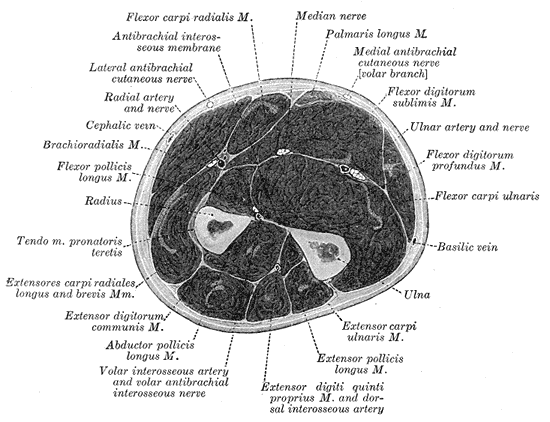
The broken end of the radius bone in your wrist was put back into position and held with a metal plate and small screws. You have a small incision on the palm side of the wrist, covered by a soft dressing. In most cases no splint is applied, so the wrist can begin gentle motion right away. Patients with a very severe fracture may be placed in a splint for added protection; if so, Dr. Barrera will tell you.
The first week
- Keep the dressing clean and dry.
- Keep the hand elevated above the heart as much as possible. Expect significant swelling for the first 3 to 5 days.
- Move the fingers fully from day one. Make a fist and straighten the fingers many times a day. This is essential to prevent stiffness.
- Begin gentle wrist motion within a few days. Slowly bend and straighten the wrist and rotate the forearm through a comfortable range. Do not force it. Early gentle motion protects against stiffness.
- Move the shoulder and elbow so they do not stiffen up.
- Do not bear weight on the hand. Do not lift anything heavier than a coffee cup with the surgical hand.
Days 10 to 14: first follow-up
- The dressing and sutures are removed at your first office visit.
- You can shower and wash the incision with soap and water; pat dry.
- No soaking (no baths, pools, hot tubs) for 2 weeks after surgery.
- Formal hand therapy typically begins around this visit to guide wrist motion.
Weeks 2 to 6: motion phase
- Work with hand therapy on wrist motion (bending, straightening, rotating the forearm).
- Light use of the hand for daily tasks is fine.
- Still no lifting or pushing with the wrist. The bone is still healing.
Weeks 6 to 12: strengthening phase
- X-rays at 6 weeks confirm the bone is healing.
- Therapy shifts to strengthening and return to full activity.
- Most patients can return to light work by 6 weeks and heavier work by 3 months.
Pain and swelling
- Most patients need prescription pain medicine for only 2 to 5 days, then switch to acetaminophen (Tylenol) and ibuprofen (Advil).
- Ice over the dressing helps for the first week.
- Swelling and stiffness in the fingers and hand can last several months. Continue to elevate and move the fingers.
Long-term expectations
Most patients recover 90% of their function by 6 months. Some swelling, stiffness, and aching in the wrist is common for up to a year. The plate and screws stay in place permanently unless they cause problems, which is uncommon.
- You have a fever over 101°F
- The incision is draining pus, spreading red, or very warm
- Pain is worsening despite medication and elevation
- New numbness or severe tingling in the fingers (especially the thumb, index, and middle)
- The fingers turn cold, pale, or dusky
Related
Questions?
Call your office location for non-urgent questions:
- NYU Langone Laurelton · 646-501-4950
- NYU Orthopedic, Woodside · 929-429-3222
- NYU Orthopedic, Richmond Hill · 718-206-6923
- Jamaica Hospital Ambulatory Care Center (ACC) · 718-301-0720
See our office contact information for addresses and fax numbers.